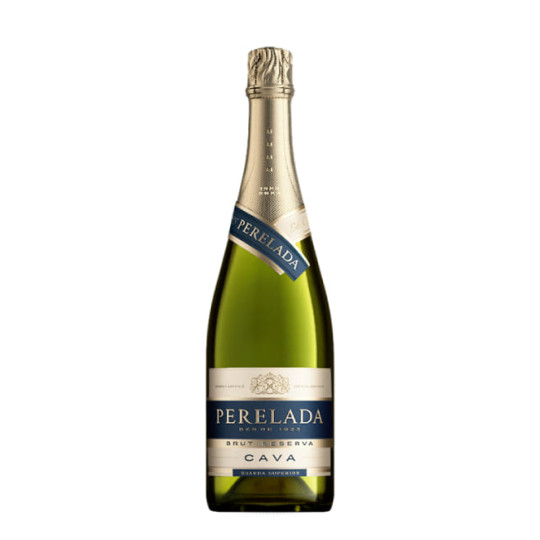
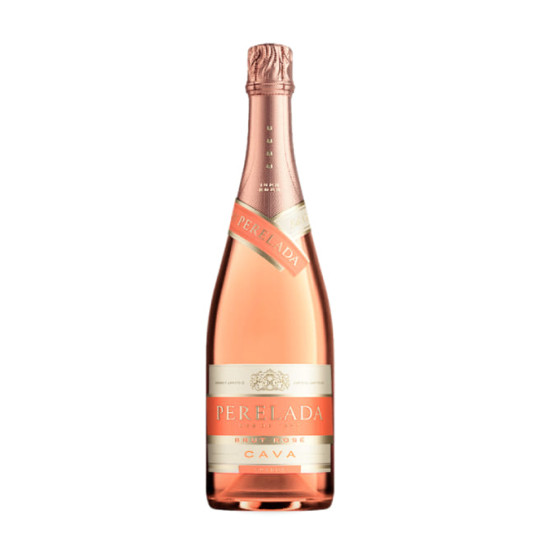
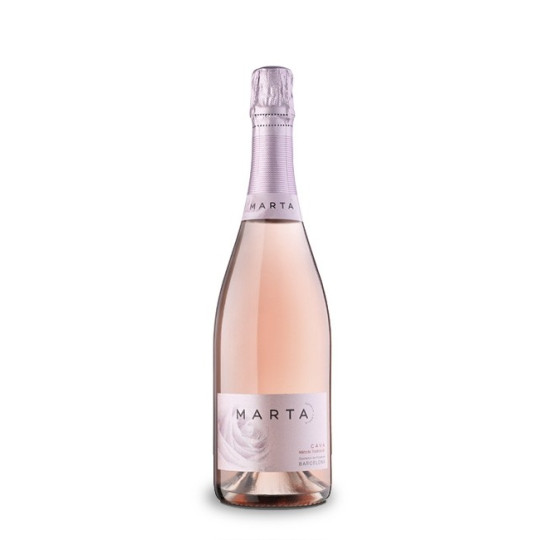
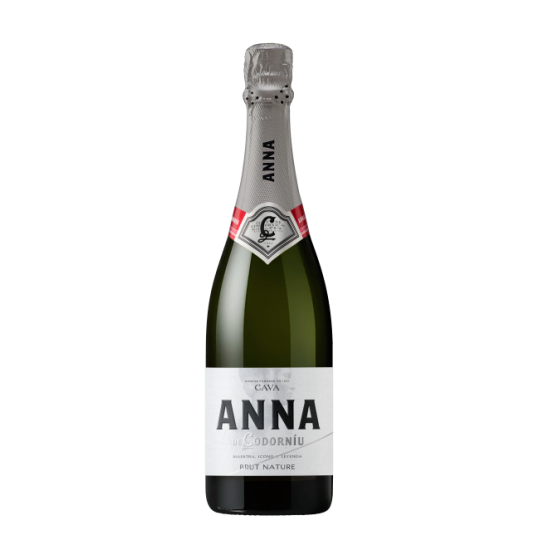
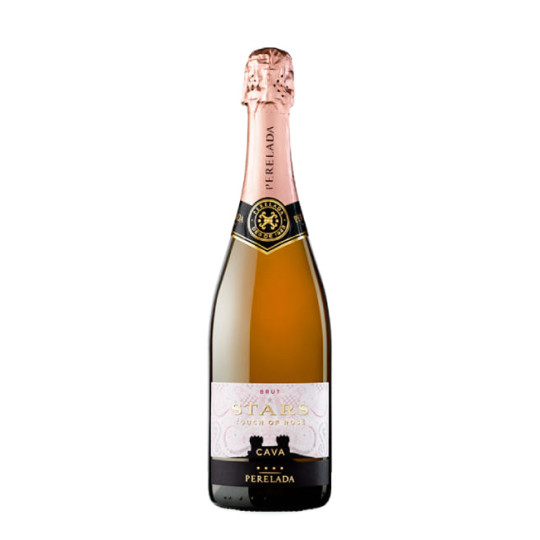
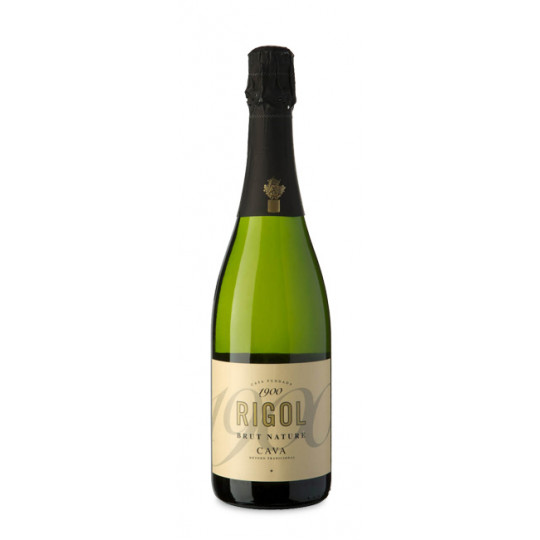
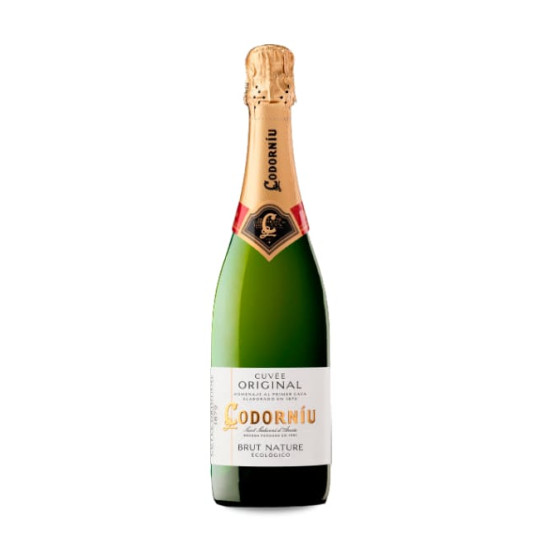
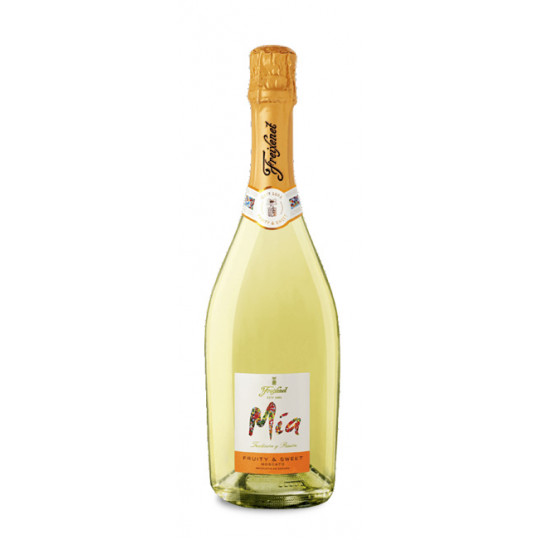
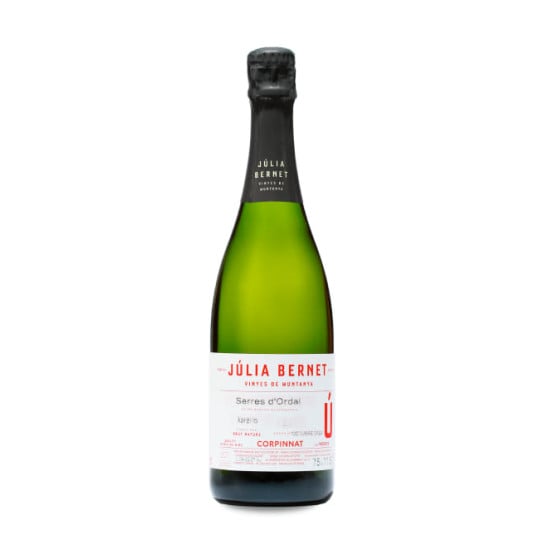
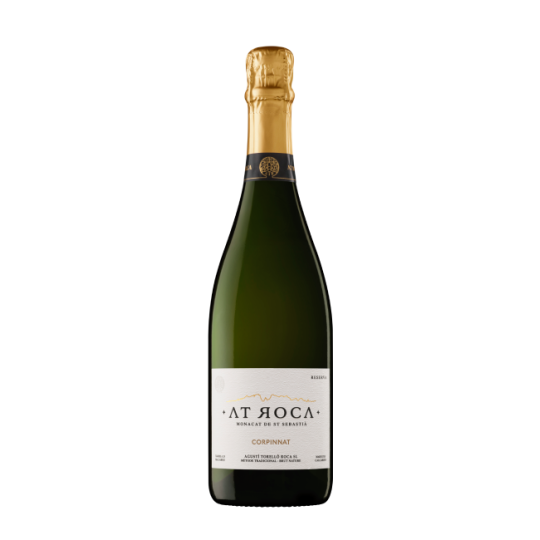
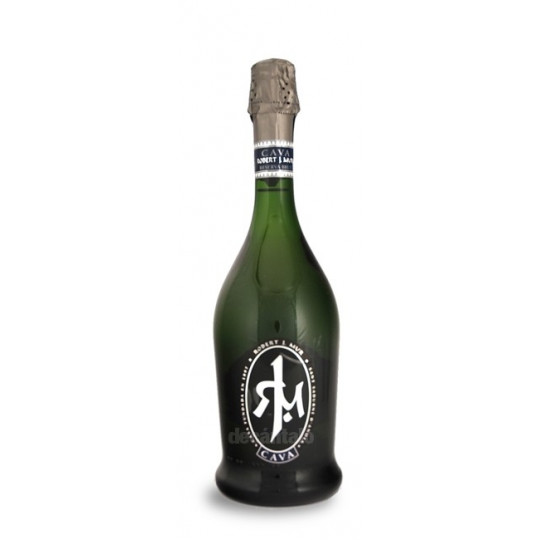
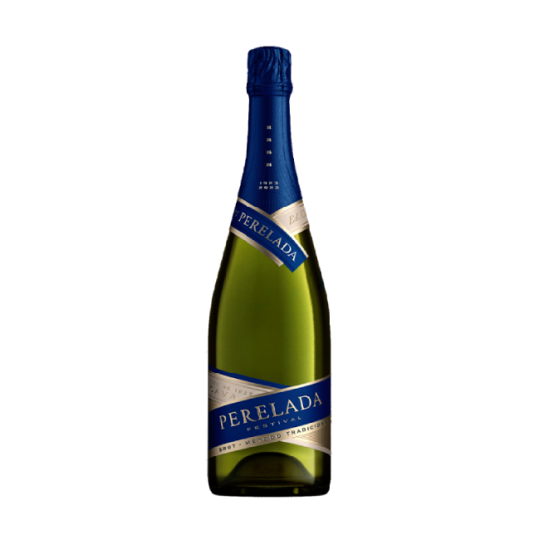
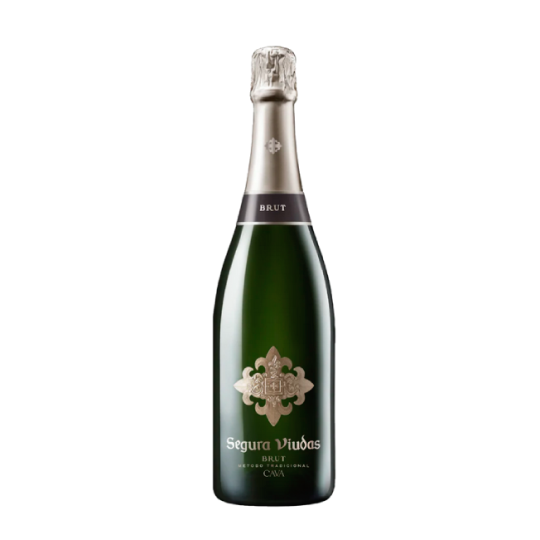
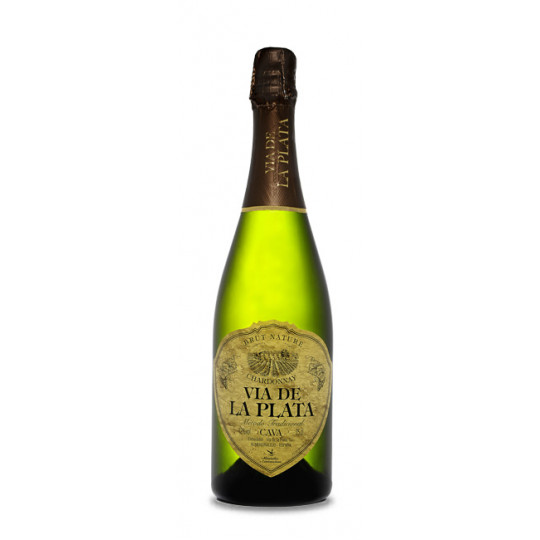
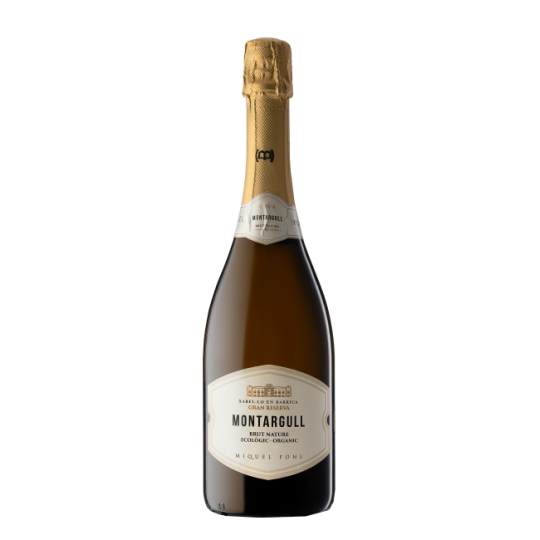
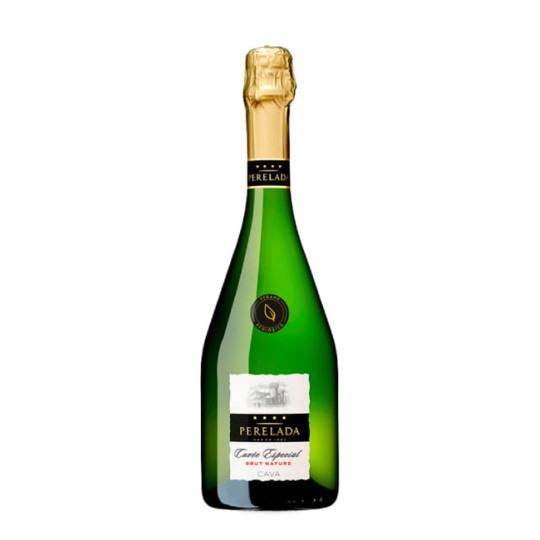
Unlike still wines, Spanish sparkling wines retain a significant amount of carbon dioxide (CO2). This gas is responsible for the bubbles we see when we pour it into our glass. These bubbles can be manufactured, by adding carbon dioxide to the liquid, or naturally, through the first or second fermentation/through chemical processes. In the second scenario, most wine is made through two fermentations, and this is known as the traditional or Champenoise method.
The first Spanish sparkling wines made using this traditional method came from the town of Sant Sadurní d'Anoia, in the Alt Penedès region (Catalonia). They emerged, among other factors, following the radical transformation of the vineyard after the phylloxera disease hit. However, over time sparkling wines have been produced throughout Spain and they can be found in many of the denominations of origin like the D.O. Valencia, the D.O. Rueda and the D.O. Penedès. However, the first denomination exclusively dedicated to protecting Spanish sparkling wines, setting guidelines for quality, and still with the highest number of producers under its umbrella, is the D.O. Cava.
1. The Cava Denomination of Origin.
In Spain, when you think sparkling wines, you think cava, but not all sparkling wines are part of this denomination. The D.O. Cava is a Denomination of Origin where sparkling wines are made using the traditional method, the same as in the Champagne region. At first these sparkling wines were also called Champagne and were said to be made following the champenoise method, but in 1972 following a disagreement with France over the names used for Spanish sparkling wines, the Consell Regulador dels Vins Escumosos was born, and the Cava brand was established as a name for this type of wine. To carry this name, much like champagne in France, it must meet a series of requirements:
Production method.
The main characteristic of cava is its production method, known as the traditional or champenoise method which involves a double fermentation of the wine, the first is carried out in the same tank as alcoholic fermentation, which produces the still wine, then a second fermentation takes place in the bottle, which is what turns it into a sparkling wine. Once this second fermentation has taken place, the longer the wine ages on its lees (with the yeasts used for second fermentation), the creamier the sparkling wine will be and the better integrated the bubble.
Grape varieties.
The coupage traditionally used in the D.O. Cava is made up of the Macabeo, Parellada and Xarel·lo white varieties. However, there are other varieties that can be used, like the Malvasía and Chardonnay white varieties and the Garnacha, Pinot Noir, Monastrell and Trepat red varieties.
Usually cavas are white, but thanks to some permitted red varieties, producers can make rosés and
even “blancs de noirs”, which are sparkling white wines made with red grapes.
Production areas.
The D.O. Cava is geographically very large. Although it does not correspond to one specific region, the largest production area and the pioneer in Spain is Catalonia, specifically Penedès (in the province of Barcelona). However, cava is also produced in Aragón, Valencia, Castilla y León, the Basque Country, Navarra, La Rioja and Extremadura.
Cava Categories.
Cavas are also classified according to their aging, with the following categories:
- Cava: Younger and with a minimum aging of 9 months. It can be identified by its white label.
- Cava Reserva: These have been aged for more than fifteen months. They can be identified by their green label.
- Cava Gran Reserva: This sparkling wine has been aged for more than 30 months. It carries a black label.
- Cava de Paraje Calificado: With a minimum aging of 36 months and made with grapes from a certain location that stands out for its microclimate and soil conditions, this wine adheres to strict quality criteria during production, creating a unique cava with special identification within its category.
2. Other quality sparkling wine denominations.
To try and distinguish themselves from the huge range of varying quality sparkling wines now available, and to give their productions their own unique and regional identity, high-end sparkling wineries have created new labels.
Corpinnat, which means “made in the heart of Penedès”, is a collective brand created in 2017 with the aim of distinguishing this region’s great sparkling wines. It stands for a commitment to quality and brings together a small group of wineries in the same region that must meet the following requirements:
- Production in the Corpinnat region within a range of regional, environmental, cultural and oenological variables (Alt Penedès, Alt Camp, Baix Penedès, Tarragonès, Garraf, Baix Llobregat and Anoia).
- 100% organic grapes.
- Produced entirely on the property.
- Aged for over 18 months.
Clàssic Penedès was set up in 2014 and is part of the D.O. Penedès. These are sparkling wines made with 100% organic grapes in the Penedès area and aged for a minimum of 15 months.
VT Conca del Riu Anoia is a micro denomination that covers a small area around the Noya river basin (Conca del Riu Anoia), in Penedés. The leading winery is Raventós i Blanc. Their wines have different characteristics from other sparkling wines: they have a centuries-old wine-growing history behind them, specific geological soil formation, particular native varieties and a western Penedès climate.
3. Different sparkling wine classifications.
When it comes to appreciating a sparkling wine’s label or even the inside of the cork, you will spot different distinctives that will give you a clue as to how it was made.
Classification of sparkling wines by production method:
There are different ways to generate carbon dioxide in wine, which is what creates those characteristic bubbles.
The most common are:
- The Traditional or Champenoise Method: This involves bottling the wine and then putting it through a second fermentation in the bottle to produce the gas. This is said to produce the highest quality.
- The Charmat or Granvas Method: This method involves carrying out the wine’s second fermentation in large closed tanks. When that has finished and there is CO2 in the wine, it is bottled. This method is cheaper and easier than the previous.
- The Ancient Method: this was the first method ever used to make sparkling wines, and it has been revived. It involves bottling the must before it finishes alcoholic fermentation, which means it generates its own bubbles in the bottle.
Classification of sparkling wines by aging:
With the traditional method, once the sparkling wine has been made, it is aged in the winery until it is disgorged. Depending on the aging time, the sparkling wine can be classified in the following ways:
- Young: over 9 months of aging.
- Reserva: more than 15 months of aging.
- Gran Reserva (for cava) or Largas Crianzas (other sparkling wines): over 30 months.
Classification by amount of residual sugar
Regardless of production method or aging time, sparkling wines can also be classified by the amount of sugar they contain, that is, by their sweetness, in the following categories:
- Brut Nature: no added sugar.
- Extra Brut: up to 6 grams of sugar per litre.
- Brut: up to 15 grams.
- Extra dry: between 12 and 20 grams.
- Dry: between 17 and 35 grams.
- Semi-dry: between 33 and 50 grams.
- Sweet: more than 50 grams.
4. Sparkling wines and wineries.
Although sparkling wines are almost synonymous with celebration, the great variety of Spanish sparkling wines means there is a world of possibilities when it comes to pairing. Here are some of the leading wineries producing great quality sparkling wines:
Gramona.
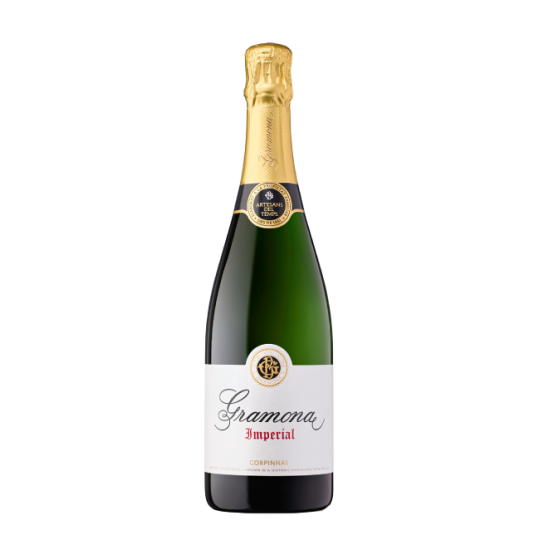
One of the oldest wineries in Sant Sadurní d'Anoia, it was set up by a team of two families with a history of winemaking: the Batlle and the Gramona families. Part of the Corpinnat denomination, they are respectful of their heritage and great advocates of quality sparkling wines.
Juvé & Camps.
This winery dates back to 1796 in Sant Sadurní d'Anoia. A great international company, producing in high-volumes, but their sparkling wines retain the quality and exclusivity that have made them unique.
Raventós i Blanc.
If the Raventós i Blanc family is known for one thing, it is for pioneering the production of sparkling wine in the area in 1872. That is when Codorníu was born, another leading producer of wines and sparkling wines. However, the heir of Finca Raventós distanced himself from the family business and set up a new project to try and make sense of a unique terroir that produces sparkling wines with an individual personality that are protected by the VT Conca del Riu Anoia denomination.





 Red wine
 White wine
 Rosé wine
 Primeurs
 Sherry and Port wine
 Sweet wine
 Orange wine
 Vermouth
 Champagne
 Cava
Cava Prosecco
 Lambrusco
 Crémant
 Moscato d'Asti
 Franciacorta
 Pet-Nat
 Corpinnat
 Other sparkling wines
 Rhum
Rhum Gin
Gin Whisky
 Vodka
Vodka Cognac
 Brandy
 Pastis
 Tequila
 Mezcal
 Grappa and Eau de vie
 Calvados
 Liqueurs
 Pacharán
 Apéritifs
 Wine gift boxes
 Boxed wines
 Boxed sparkling wines
 Wine bottles and glasses
 Gift card
 Non alcoholic Wine
 Non alcoholic Sparkling wine
 Non alcoholic Gin
 Other non-alcoholic drinks
 Aromas
 Wine conservation
 Decanters and aerators
 Bottle identifiers
 Corkscrews
 Service
 Glass identifiers
 Cleaners
 Accessories set
 Wine glasses
 Contact

 Price
Price Type of sparkling wine
 Points
 Sugar level
 Country
 Production area
 Designation of Origin
 Winery
 Style
Style Aging
Aging Type of grape
 Production
 Volume
 Pairing
 Vintage
 Filter and sort